Why Repair and Refurbishment Matter in Europe's Circular Economy
At Metarvo, we regularly confront a fundamental misperception about our role in the market. When corporate leadership or procurement teams review our operations, they notice technical labs, diagnostic tools, and component logistics. The immediate conclusion is often: "Metarvo fixes broken hardware."
That definition misses the strategic reality. Metarvo does not operate a basic repair shop. Our core competency is lifecycle extension and resource preservation.
We do not just patch functional failures. We intercept physical assets before they degrade into liabilities, extract their maximum operational value, and provide enterprises with a concrete framework to meet European sustainability mandates. In the current European business environment, hardware asset management has evolved from a localized IT support ticket into a board-level compliance and financial imperative. Understanding the structural shift from rapid asset replacement to disciplined refurbishment is essential for any enterprise operating in Europe.
The Current Trajectory of European E-Waste
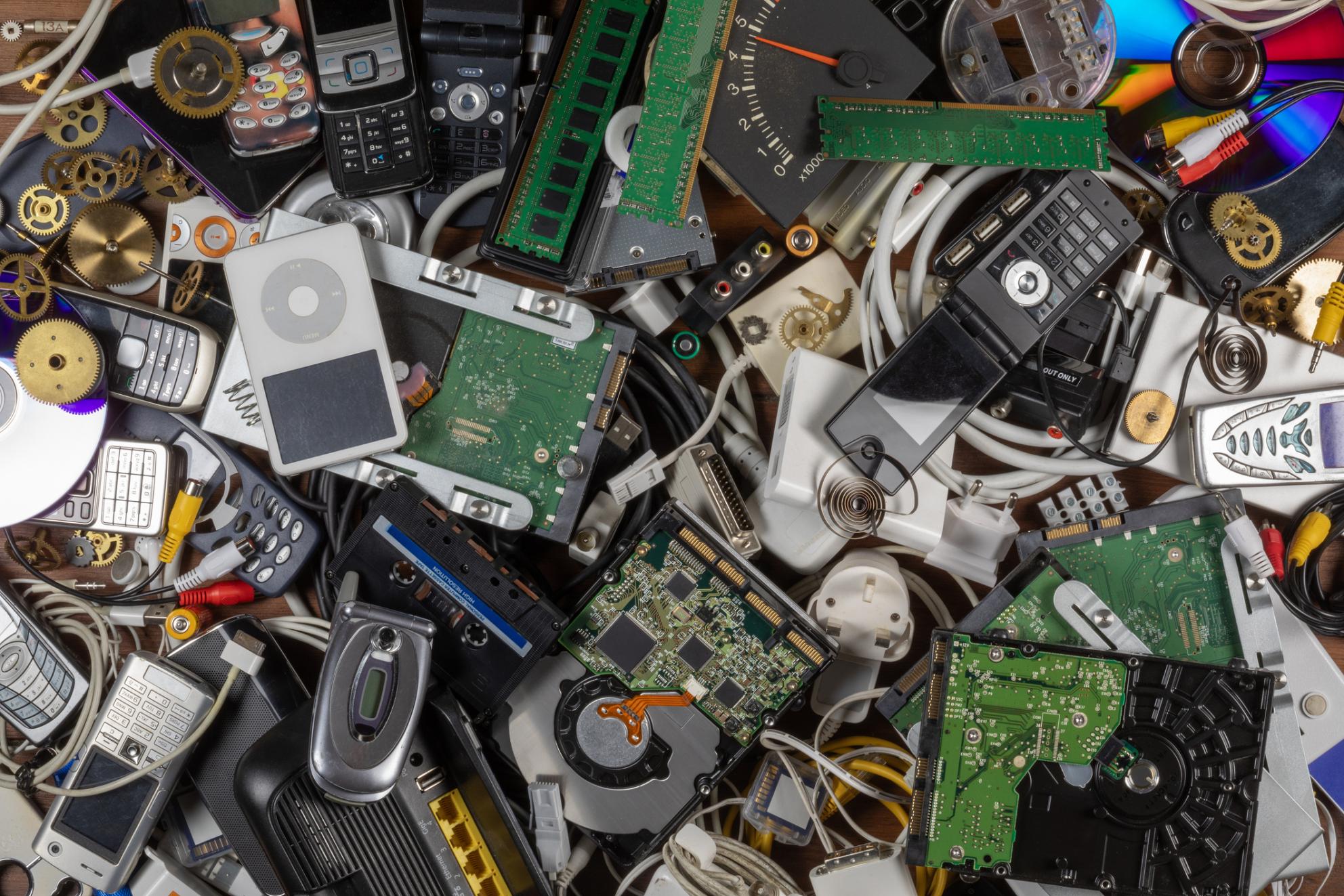
The rapid pace of corporate digital transformation has created a severe, often unaddressed environmental challenge. Data published by the European Commission regarding Waste Electrical and Electronic Equipment (WEEE) highlights a massive structural imbalance within the single market.
Every year, more than 14 million tonnes of electrical and electronic equipment are placed onto the EU market. However, the official collection and documented recycling infrastructure handles only around 5 million tonnes of that total volume. The remaining nine million tonnes represent a massive leakage of materials from the economic cycle.
This gap represents two primary risks for commercial organizations:
- Regulatory and Liability Risks: Industrial electronics contain complex mixtures of heavy metals, flame retardants, and chemical compounds. Mismanaging these assets at their end-of-life creates substantial legal and operational liabilities for the originating enterprise under strict European environmental protection frameworks.
- Material Depletion and Supply Vulnerability: Corporate IT infrastructure relies heavily on Critical Raw Materials (CRMs). In an environment characterized by volatile geopolitical conditions and supply chain fragility, discarding functional microprocessors, rare earth components, and precious metals directly undermines Europe's industrial autonomy and inflates future procurement costs.
Navigating the Regulatory Framework: WEEE and Beyond
Operating a commercial enterprise in Europe requires strict adherence to advanced environmental mandates. The European Commission's WEEE Directive established a legal precedent by shifting the financial and operational burden of electronic waste management directly onto producers and corporate consumers.
The directive outlines a clear operational mandate: waste prevention must take absolute priority over waste management. The framework demands separate collection streams, certified hazardous material treatment, and strict material recovery metrics. Recent legislative expansions, including the European Right to Repair initiative and more aggressive national enforcement policies, have effectively eliminated lax disposal practices. Enterprises are now held strictly accountable for the full physical lifecycle of their IT assets.
By partnering with Metarvo, organizations integrate their hardware retirement strategies with current EU regulations, turning mandatory compliance costs into predictable, value-retaining operational workflows.
The Economics of Refurbishment vs. Immediate Recycling
Traditional corporate asset management often treats hardware procurement and disposal as a linear transaction: purchase, deploy, write off, and discard. Metarvo replaces this linear model with a strict adherence to the waste hierarchy, prioritizing reuse and structural refurbishment over premature recycling.
While material recycling is necessary for unrecoverable items, it represents a loss of economic value. Recycling breaks down fully manufactured components back into raw commodities, destroying the precision engineering, labor, and energy embedded in the initial production process. Refurbishment preserves this asset integrity.
Through advanced diagnostics, component-level engineering, and strict quality control protocols, Metarvo returns enterprise-grade hardware to original operating specifications. For businesses, choosing refurbishment over immediate scrap or disposal delivers distinct financial advantages:
- It defers major capital expenditures (CapEx) by maintaining existing hardware assets in active service for longer periods.
- It insulates operations against unpredictable hardware lead times and component shortages by leveraging existing internal inventories.
- It optimizes the total cost of ownership (TCO) across your global IT infrastructure.
Translating ESG Mandates into Verifiable Performance
Environmental, Social, and Governance (ESG) criteria have transitioned from discretionary reporting metrics to core determinants of institutional investment, credit access, and enterprise vendor qualification. Hardware procurement and disposal represent a substantial portion of an enterprise's Scope 3 greenhouse gas footprint—the indirect emissions generated across the corporate value chain.
When an enterprise deploys Metarvo to manage and refurbish its hardware portfolio, the environmental benefits are measurable and auditable:
- Emissions Abatement: The manufacturing phase accounts for approximately 70% to 80% of a standard business laptop's total lifetime carbon footprint. Extending the operational lifespan of that single asset by two to three years through professional engineering directly reduces its annualized carbon impact.
- Circular Economy Integration: Our corporate partners receive clear documentation detailing the exact volume and weight of electronic hardware diverted from waste streams, providing compliance data that aligns directly with the EU Circular Economy Action Plan.
The Corporate Strategy Focus
Every asset that enters a Metarvo facility undergoes a systematic evaluation focused on lifecycle maximization: we identify the precise interventions required to extract the maximum operational utility from the asset. For modern enterprises, prioritizing device reuse over disposal is a clear indicator of operational maturity. It reflects an organization that treats asset management as a core component of risk mitigation, fiscal discipline, and resource resilience.
Metarvo does not function as an ad-hoc repair provider. We serve as structural partners in corporate circularity, helping your enterprise align operational efficiency with European regulatory realities.