The Hidden Value of Returned Electronics
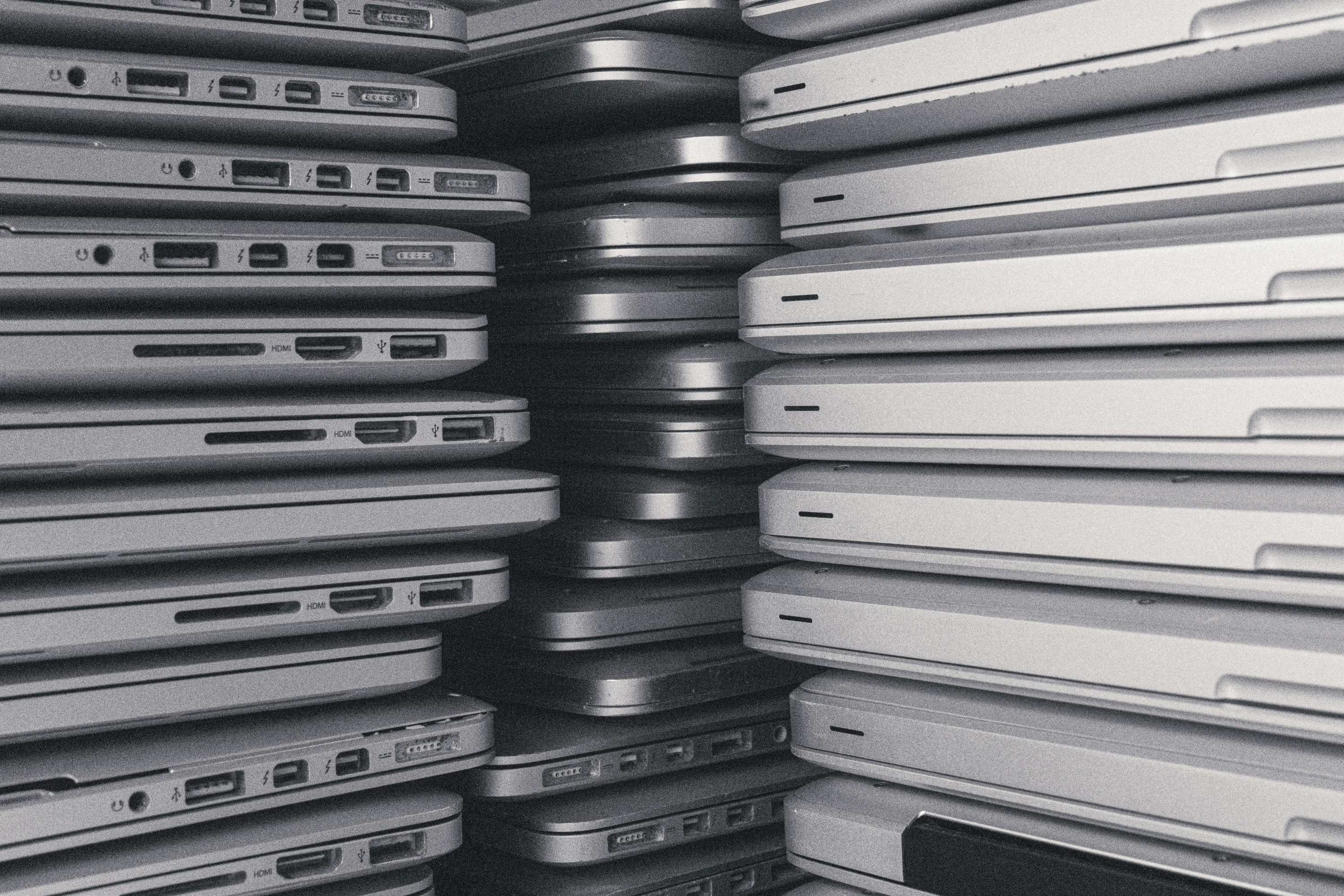
Why Returned Devices Should Be Viewed as Assets, Not Waste
Introduction
Every year, millions of electronic devices are returned by consumers, businesses, insurers, and enterprise users.
Some are unopened. Some have minor cosmetic defects. Others are fully functional but no longer fit the original sales channel.
Yet despite retaining significant economic value, a large percentage of returned electronics are still liquidated, stored indefinitely, recycled prematurely, or simply written off as losses.
As return volumes continue to grow across e-commerce, retail, insurance replacement programs, and corporate technology refresh cycles, companies are increasingly recognizing that returned products are not merely a logistics problem—they are a value recovery opportunity.
The question is no longer how to process returns.
The question is how much value can be recovered before disposal becomes the only remaining option.
The Growing Challenge of Electronic Returns
The expansion of online commerce has dramatically increased product return rates across nearly every category.
Industry studies estimate that the annual retail value of returned goods in the United States is approaching one trillion dollars. Many products never return to primary inventory and instead enter complex reverse logistics channels involving inspection, refurbishment, liquidation, secondary markets, or recycling.
For electronics, the challenge is even more significant.
Unlike consumable goods, electronic devices often retain substantial value after the initial sale because:
- Hardware depreciation is gradual
- Components remain reusable
- Repairability is often feasible
- Secondary markets remain strong
- Refurbished devices are increasingly accepted by buyers
A returned laptop, smartphone, network appliance, or industrial electronic system may still retain a significant percentage of its original value if managed correctly.
Not All Returns Are Equal
One of the most common mistakes in reverse logistics is treating all returned devices the same way.
In practice, returns typically fall into several categories:
1. Open-Box Returns
Products returned within a standard return window.
Characteristics:
- Fully functional
- Minimal usage
- Complete accessories
- Often suitable for direct resale
These units frequently represent the highest value recovery opportunity.
2. Cosmetic Defects
Devices with:
- Minor scratches
- Packaging damage
- Missing accessories
While unsuitable for new-product channels, they often remain ideal candidates for refurbishment or secondary-market resale.
3. Functional Faults
Products exhibiting:
- Battery issues
- Charging faults
- Display defects
- Component-level failures
Many of these units can be economically repaired and returned to service.
4. Insurance Replacements
Devices replaced through insurance programs often arrive with:
Limited damage
Known fault history
High residual value
These products are particularly attractive for structured refurbishment operations.
5. End-of-Lease or Enterprise Returns
Corporate IT equipment typically returns after:
- Device refresh programs
- Employee offboarding
- Contract expiration
Many systems remain fully operational and suitable for redeployment or resale.
The Four-Step Value Recovery Process
Organizations that achieve high recovery rates generally follow a structured process.
Step 1 — Inspection
The first objective is understanding the true condition of the device.
This includes:
- Visual assessment
- Functional testing
- Diagnostic analysis
- Data handling procedures
- Component verification
Accurate assessment prevents both over-scrapping and unnecessary repair costs.
Step 2 — Grading
Devices are categorized according to condition and market suitability.
Typical grading factors include:
- Cosmetic condition
- Functional status
- Repair requirements
- Data security compliance
- Market demand
Clear grading standards allow faster downstream decisions.
Step 3 — Refurbishment
When economically viable, devices undergo restoration.
Activities may include:
- Cleaning
- Component replacement
- Firmware updates
- Battery replacement
- Quality testing
- Repackaging
The objective is not necessarily to restore a device to "new" condition, but to return it to a reliable and marketable state.
Step 4 — Redeployment or Resale
Once refurbished, devices can be directed to:
- Secondary retail channels
- B2B buyers
- Enterprise redeployment programs
- Refurbished product marketplaces
- International markets
Only after these options have been exhausted should material recovery or recycling be considered.
Why Refurbishment Often Delivers Better Outcomes Than Recycling
Recycling plays an important role in responsible electronics management.
However, recycling should generally be viewed as the final stage of the value recovery hierarchy.
A functioning laptop contains far more value as a working device than as recovered aluminum, copper, and plastics.
The same principle applies to:
- Smartphones
- Tablets
- Networking equipment
- Industrial electronics
- Consumer appliances
Extending product life by even a few years can preserve substantially more economic value than immediate material recovery. Structured refurbishment and resale programs are increasingly recognized as both financially and environmentally beneficial.
The Business Case for Reverse Logistics
Companies traditionally view returns as an unavoidable cost center.
A growing number of organizations are taking a different approach.
Rather than focusing solely on return processing costs, they focus on asset recovery.
Organizations implementing structured reverse logistics programs commonly pursue:
- Higher recovery rates
- Reduced write-offs
- Lower disposal costs
- Increased resale revenue
- Improved sustainability performance
- Better inventory visibility
Industry analyses indicate that companies with mature reverse logistics processes can recover meaningful portions of the original product value through refurbishment, redeployment, and secondary-market sales.
From Waste Stream to Asset Stream
Returned electronics should not automatically be viewed as end-of-life products.
In many cases, they represent assets waiting to be evaluated, restored, and reintroduced into the market.
The difference between a loss and a recovered asset often depends on the processes applied after the product comes back.
Inspection.
Classification.
Refurbishment.
Redeployment.
These steps form the foundation of a modern circular approach to electronics management—one that reduces waste, extends product life, and recovers value that would otherwise be lost.
For organizations managing returns at scale, the most valuable device is often not the next one sold.
It is the one that has already come back.